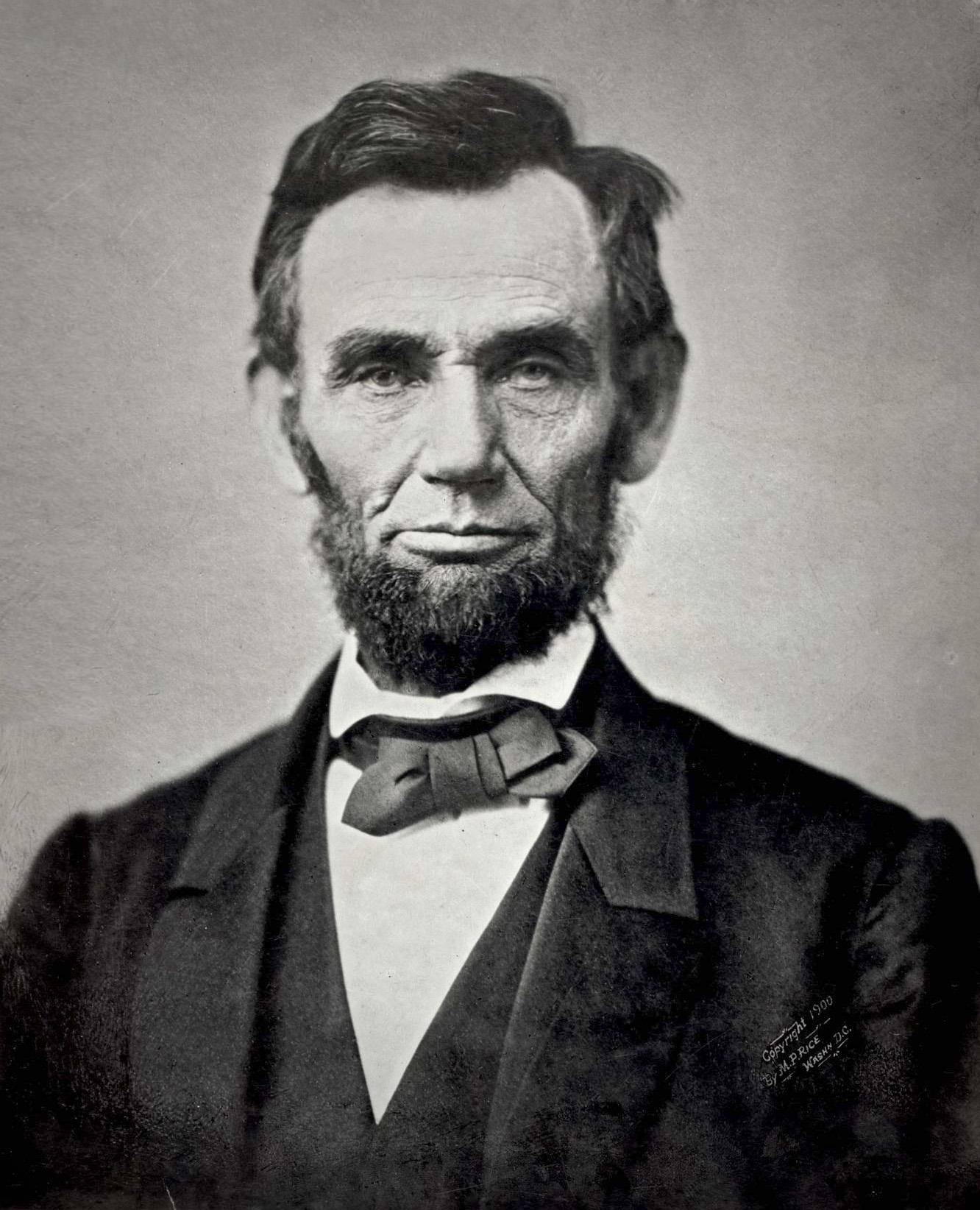
 Lincoln begins his inaugural address by stating that he speaks to the nation as a whole when he says he promises to preserve the union at all costs. With that being said, he turns to the South and tells them that he neither wants to or plans on getting involved when it comes to slavery. In his promise to preserve the stability of the union, he vows that he will do whatever it takes to live up to his word and protect the Constitution--even if it means a war must be fought in the process. Lincoln continues to assure them that he intends to protect the states that approved slavery and vows to enforce the Fugitive Act. He concludes his speech by announcing to the nation that he hopes the North and South will be able to peacefully coexist without conflict.
Friday, November 14, 2014
LAD #14
Lincoln begins his inaugural address by stating that he speaks to the nation as a whole when he says he promises to preserve the union at all costs. With that being said, he turns to the South and tells them that he neither wants to or plans on getting involved when it comes to slavery. In his promise to preserve the stability of the union, he vows that he will do whatever it takes to live up to his word and protect the Constitution--even if it means a war must be fought in the process. Lincoln continues to assure them that he intends to protect the states that approved slavery and vows to enforce the Fugitive Act. He concludes his speech by announcing to the nation that he hopes the North and South will be able to peacefully coexist without conflict.
Tuesday, November 11, 2014
LAD #13
 John Calhoun opens his statement to the senators by claiming that he knows deep down slavery will end in the disunity of the United States if things are left the way they are. He asks them the question "how can the union be preserved?" and answers it himself by stating that the only way they can stop the union from falling apart is by understanding what it is that's causing the damage in the first place. He explains how the Southerners discontent over the matter is part of the root of the problem. The political parties of the South, Whigs and Democrats, worked to keep their half of the nation under control and calm, but Calhoun goes as far as to remind his audience that political parties often have another angle to the ordeal. He explains how the parties needed the south to be calm and quiet in order to maintain their grip on their followers. The south eventually came to the conclusion over their discontent with slavery that they may no longer be able to remain a part of the union. Calhoun explains that the south has witnessed the North's rise to power in government and felt they were being pushed farther out of the balance of power in the union. Calhoun states that the only way to stop the south from seceding or being forced to abolish slavery as a whole was to give them what they wanted. He proposed they give the south an equal voice in government and the land they desire to keep them at bay, otherwise the unrest within the union will eventually lead to its downfall.
LAD #12
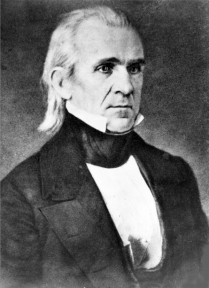 In James K. Polk's message to Congress he starts off by explaining how the United States had attempted peace with the Mexican Government, but they did not withstand to this agreement. When the US sent an envoy to discuss peace with Mexico they rejected him and refused to speak about the matter. Polk points out that they not only rejected their outreach for peace, but invaded American soil which resulted in many casualties on our side. Polk goes on to state that he doesn't think they should continually allow people to get hurt over a simple land disagreement and thought they should take a different approach to the issue. He stated how Mexico doesn't seem to want to negotiate, a conclusion he came to after they rejected the envoy, John Slidell, when he was sent to discuss peace between the two nations. Polk presses on by saying how Mexico was unable to continue communication with America, let alone obey and respect the treaties they already had in place. Polk concludes his message to Congress by saying how after all of these instances with Mexico, the United States has no choice but to declare war.
Monday, November 10, 2014
LAD #11

Tuesday, October 28, 2014
LAD #10
1. What did the issuing of the Monroe Doctrine express from an American perspective post War of 1812?
The Doctrine was a very gusty thing, having just come out of a war that resulted in a stalemate. The nation had just started off, making the United States a difficult nation to take seriously. We weren't powerful from Europe's perspective, but the overall introduction of the Monroe Doctrine sparked nationalism worldwide. From the perspective of the people Americans would most likely want their colonies to the west to experience life, liberty, and the pursuit of happiness as they have been granted. In order to reach their goal, they need to get rid of other nations from colonizing in America in order to maintain their safety and peace.
2. What was Secretary of State Adams' hope when he wrote the Monroe Doctrine?
He hoped that the other nations that already had or were planning on colonizing in the west would no longer build on their empire with that land. He wanted to maintain the people's rights and wanted other nations to see and respect that. Otherwise the government would take any efforts for colonization as aggression towards the nation as a whole and would be dealt with as such.
3. What is the key phrase in the entire document that you need to remember as the cornerstone or American Foreign Policy?
Madison stated that the nation would stay neutral unless another nation were to attack them first. He wanted to avoid war, having just come out of The War of 1812, and therefore enacted the doctrine to maintain the land to the west.

The Doctrine was a very gusty thing, having just come out of a war that resulted in a stalemate. The nation had just started off, making the United States a difficult nation to take seriously. We weren't powerful from Europe's perspective, but the overall introduction of the Monroe Doctrine sparked nationalism worldwide. From the perspective of the people Americans would most likely want their colonies to the west to experience life, liberty, and the pursuit of happiness as they have been granted. In order to reach their goal, they need to get rid of other nations from colonizing in America in order to maintain their safety and peace.
2. What was Secretary of State Adams' hope when he wrote the Monroe Doctrine?
He hoped that the other nations that already had or were planning on colonizing in the west would no longer build on their empire with that land. He wanted to maintain the people's rights and wanted other nations to see and respect that. Otherwise the government would take any efforts for colonization as aggression towards the nation as a whole and would be dealt with as such.
3. What is the key phrase in the entire document that you need to remember as the cornerstone or American Foreign Policy?
Madison stated that the nation would stay neutral unless another nation were to attack them first. He wanted to avoid war, having just come out of The War of 1812, and therefore enacted the doctrine to maintain the land to the west.
Sunday, October 12, 2014
Columbus Blog #8
Should Christopher Columbus be considered a hero or villain? Explain.
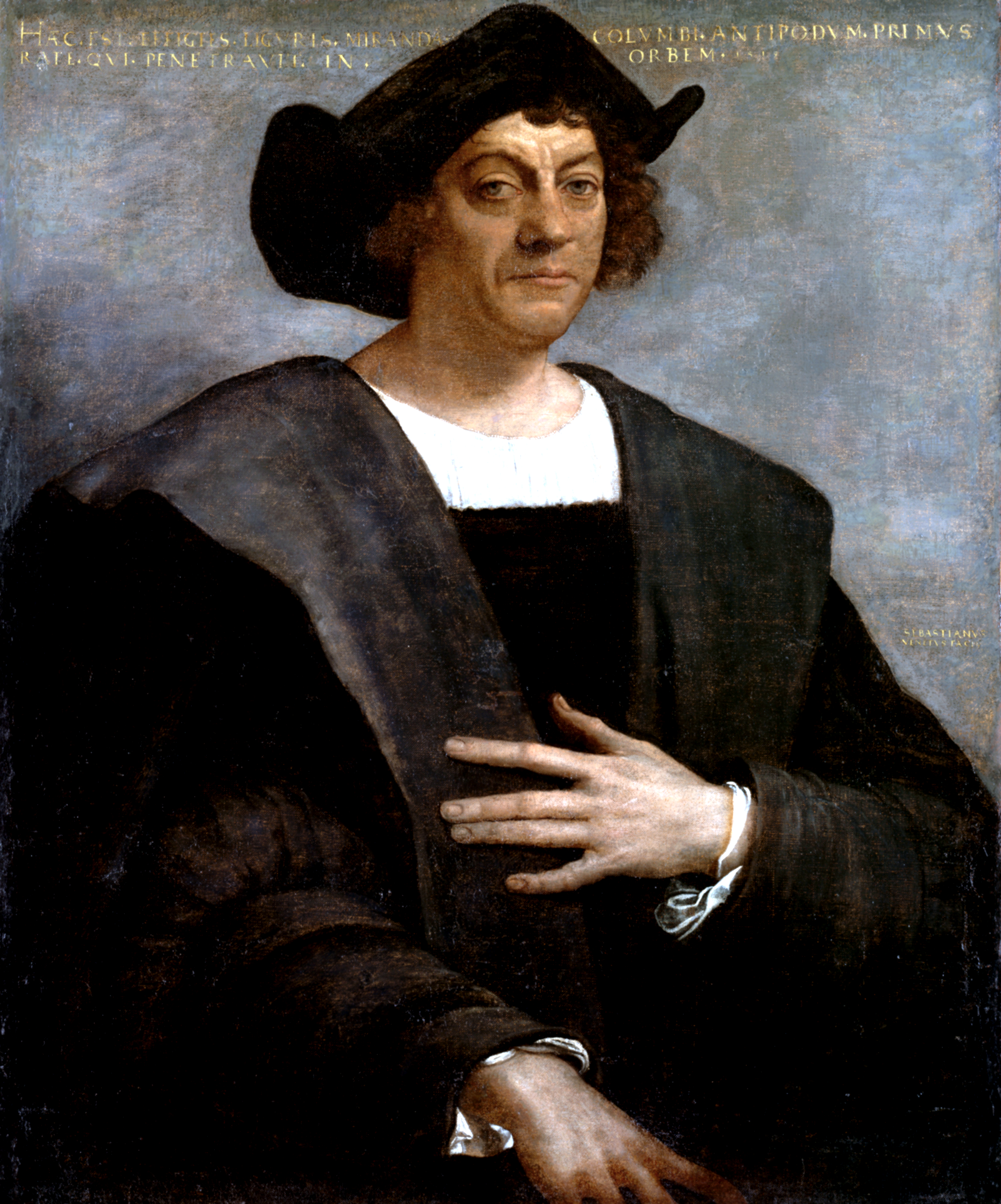 I remember back in fourth grade our teacher told us the truth about Columbus--that he wasn't the nice man who befriended the Indians and helped them take a step towards a more structured and modern society. We learned that he was a corrupt man who ransacked the Indians and stole their gold, but in my opinion I don't see him as a villain. During the time period this was normal. He might've been the first to travel to what he thought was India in 1492 and ended up discovering a new land altogether, but he wasn't the only one who treated them badly. The Spanish conquistadors also raided the New World and caused the extinction of Indian tribes throughout the land. Hernan Cortes was responsible for the entire downfall of the Aztec Empire. Columbus might've been the first to actually attempt to change and cause indirect ruin to the Indian tribes, but he wasn't the last. Spain's main goal during their voyages to the New World was Gold, Glory, and God. They were to get gold at all costs, bring back the glory of conquering land to Spain, and spread their religion to all they found, even if the natives didn't want to be converted. France also followed after their example along with other European nations. They wanted the new land that was up for grabs in the New World, despite it already being occupied. At least Columbus hadn't purposely sailed to the Americas in order to steal their gold and overpower the natives. The other conquering nations were blinded by their greed, the White Man's Burden, and their thirst for power. Some say that Columbus was a villain, but to a much greater degree he should be considered a hero. After all, he was the one who discovered the Americas. Although what came after their discovery wasn't the best part of history, America would have been lagging even farther behind in society without it being discovered. Eventually it would have been discovered, but the creation of its own nation and society would have been delayed by who-knows-how-many-years. The American revolution might not have happened in the year 1700 and the industrial revolution would have been thrown off. Everything we know today would be different if not for Columbus's successful failure in finding the land in 1492. I don't agree with Columbus's ways, but I consider him a hero for finding America when he did, even if by mistake. Without him, America wouldn't be the same nation is it today.
I remember back in fourth grade our teacher told us the truth about Columbus--that he wasn't the nice man who befriended the Indians and helped them take a step towards a more structured and modern society. We learned that he was a corrupt man who ransacked the Indians and stole their gold, but in my opinion I don't see him as a villain. During the time period this was normal. He might've been the first to travel to what he thought was India in 1492 and ended up discovering a new land altogether, but he wasn't the only one who treated them badly. The Spanish conquistadors also raided the New World and caused the extinction of Indian tribes throughout the land. Hernan Cortes was responsible for the entire downfall of the Aztec Empire. Columbus might've been the first to actually attempt to change and cause indirect ruin to the Indian tribes, but he wasn't the last. Spain's main goal during their voyages to the New World was Gold, Glory, and God. They were to get gold at all costs, bring back the glory of conquering land to Spain, and spread their religion to all they found, even if the natives didn't want to be converted. France also followed after their example along with other European nations. They wanted the new land that was up for grabs in the New World, despite it already being occupied. At least Columbus hadn't purposely sailed to the Americas in order to steal their gold and overpower the natives. The other conquering nations were blinded by their greed, the White Man's Burden, and their thirst for power. Some say that Columbus was a villain, but to a much greater degree he should be considered a hero. After all, he was the one who discovered the Americas. Although what came after their discovery wasn't the best part of history, America would have been lagging even farther behind in society without it being discovered. Eventually it would have been discovered, but the creation of its own nation and society would have been delayed by who-knows-how-many-years. The American revolution might not have happened in the year 1700 and the industrial revolution would have been thrown off. Everything we know today would be different if not for Columbus's successful failure in finding the land in 1492. I don't agree with Columbus's ways, but I consider him a hero for finding America when he did, even if by mistake. Without him, America wouldn't be the same nation is it today.Tuesday, October 7, 2014
LAD #9
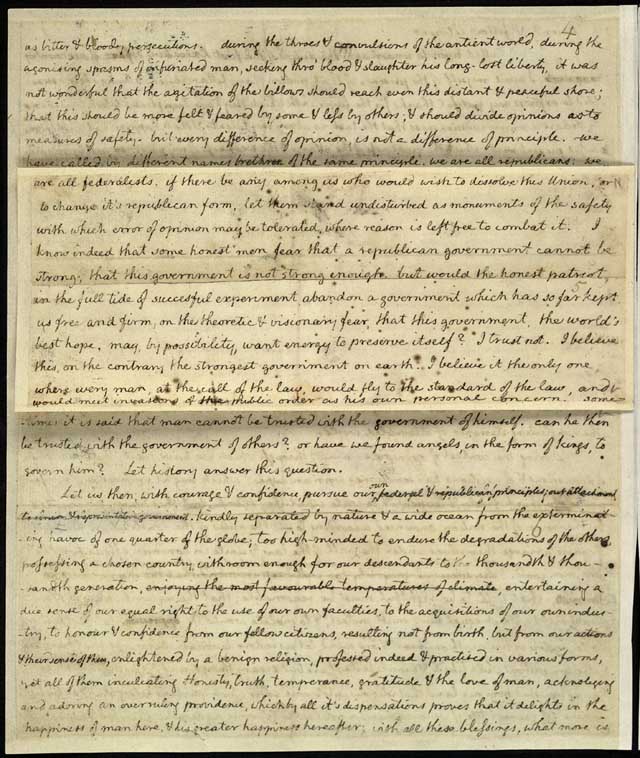
Jefferson starts his address by saying how he alone was not able to govern the country that was the United States of America. Although he had his problems with it and was upset over the loss of the Articles of Confusion, he declared that he would use the Constitution to the best of his ability in order to be a thorough President. Jefferson also declares that he wishes the United States to become just that--united. He wanted them to get past the differences, disagreements, and difficulties they'd had in the past in order to have a clear view towards the future. Jefferson truly believes and shares with the people that Republicanism is the next great step the country needs to take. He continues saying how it will help the people govern themselves. He shares his views on America in its success and lists all the policies that will help lead to success. Jefferson asks that the people be patient when it comes to governmental decisions, for he is only human and it will take time for him to complete these difficult tasks; but nevertheless, he intends to have them completed at one point or another. He nears the end of his speech by stating that he will give up his seat of power whenever the people wish him to since he is a strong believer in the power of the American people. He states that he wants the government to represent the will of the people and hopes to one day grasp the success of a full united and realized America.
Subscribe to:
Posts (Atom)